
Understanding the Differences Between Integrated and Mini Steel Mills

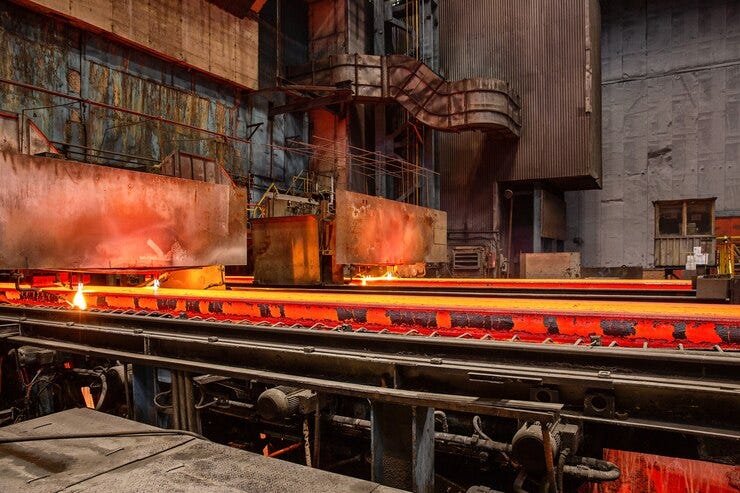
The manufacturing of steel, which finds application in many different sectors globally, depends critically on steel mills. Integrated mills and micro mills are the two basic varieties of steel mills. Both have different procedures; knowing the variations will enable one to pick the appropriate kind of mill for different purposes. With examples from steel mills in India and steel production businesses in Saudi Arabia, this blog will examine how these mills run and their differences from one another.
Integrated Steel Mills
Usually, integrated steel mills are the conventional kind of steel mills. To make steel, they combine limestone, coal, and iron ore, among other basic components. The process starts with iron being taken from iron ore and then processed to create steel. Usually includes extensive facilities capable of manufacturing a wide spectrum of steel products and integrated mills. This kind of manufacturing calls for a large capital outlay and is more energy-intensive. Nevertheless, the mass manufacturing of premium steel is rather efficient.
Integrated steel mills are distinguished from others mostly in their capacity to create steel from scratch. Blast furnaces are run by them to melt iron ore down to generate molten iron, which is then processed into steel. This operation calls for both a sizable personnel and rigorous raw material control. Integrated mills are generally found in places with access to plenty of natural resources since the process is so large and complicated. For local usage as well as export, steel manufacturing companies in Saudi Arabia, for example, employ integrated mills to create vast amounts of steel.
Mini Steel Mills
Mini steel mills, on the other hand, operate on a smaller scale and with more flexibility. These factories concentrate on recycling waste steel to generate fresh steel goods. Mini mills operate using a method called electric arc furnace (EAF) steelmaking. Mini mills melt down scrap steel and other metal sources to generate steel instead of beginning with raw resources like iron ore. Apart from integrated mills, this approach is less energy-intensive and more reasonably priced.
Because mini mills may run on a far smaller scale, they are more flexible. Their proximity to metropolitan hubs helps one to easily get scrap metal from nearby sources. Mini mills can also fast modify output to satisfy evolving needs. Among the primary benefits of micro mills over integrated ones is their adaptability. Mini mills have grown in popularity despite not generating steel in the same amounts as integrated mills because of their less environmental effect and lower manufacturing costs.
Global Examples
Looking at global examples, steel mill India operates a myriad of integrated steel mills, which are imperative for meeting the growing demand for steel in the country. High-quality steel goods created by these mills are found in manufacturing, transportation, and construction, among other sectors. Conversely, because of their lower energy usage and economic benefits, Saudi Arabia's steel manufacturing businesses have been progressively embracing small mills. While still satisfying local demand, these businesses have been able to recycle waste steel and create steel more sustainably.
Comparing the Two Types of Mills
The volume of production, the materials utilized, and the energy needed define the primary variations between integrated and micro mills. Mini mills recycle waste steel; integrated mills are bigger and generate steel from iron ore. Moreover, the energy used to manufacture steel in integrated mills is far more than what is needed, which can lead to more environmental impact and more expenses.
Mini mills are more ecologically friendly as they consume less energy and emit less pollutants. The trade-off, meanwhile, is that micro mills may generate less-quality steel than integrated mills. For businesses like the automotive or aerospace sectors that need high-strength steel, integrated mills are, therefore, a preferable option.
Conclusion
Integrated as well as small steel mills offer benefits and drawbacks. While micro mills are more energy-efficient and adaptable, employing recovered scrap steel, integrated mills are perfect for manufacturing huge amounts of premium steel from raw materials. The two choices rely on elements like manufacturing size, pricing, and the kind of steel needed.
For instance, steel mills in India and steel manufacturing companies in Saudi Arabia are excellent models of how both kinds of mills are utilized in different areas depending on local demands and resources. Knowing these variations will enable companies to choose the appropriate steel manufacturing technique for their operations by means of improved decision-making.